Mary Frances Heaton was a nineteenth-century music teacher whose challenge to a clergyman over unpaid lessons led to her confinement in an asylum for decades.
Her story raises troubling questions about women’s rights, mental health and the consequences of challenging authority in Victorian society.

Mary Frances Heaton’s Story
Aged in her thirties, Doncaster-born Mary was committed to an asylum in 1837. She had caused a disturbance during a church service by demanding payment for music lessons she had given to the local preacher’s daughter.
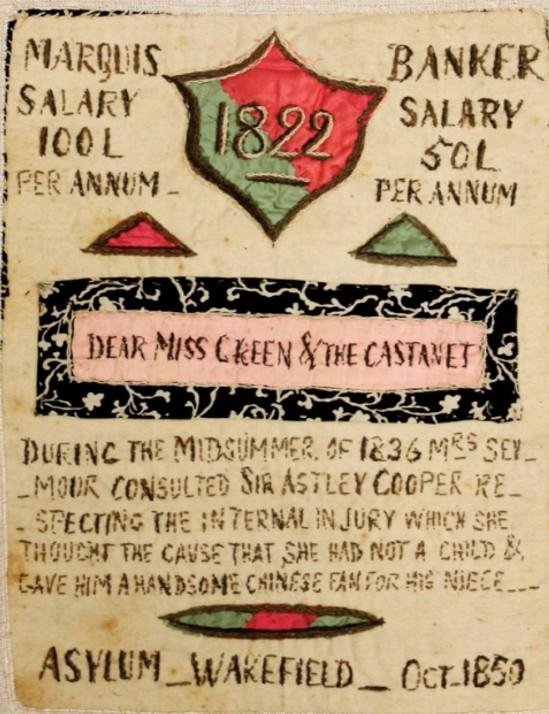
According to Forgotten Women of Wakefield researchers, Mary recorded her grievance in one of her surviving embroidered samplers:

“I wish the vicar would submit to arbitration my claim against him for music lessons given to his daughter, regularly, twice a week, during the years 1834 and 1835.”
It appears that the clergyman had refused to pay Mary for her services. Unable to negotiate, she challenged him publicly. This action contributed to a description of her as dangerous and ‘insane’.
As our researchers explain:
“Speaking out, getting excited, challenging male authority and refusing to conform would quickly be used as evidence of insanity. These kinds of actions were seen as ‘irrational’.”
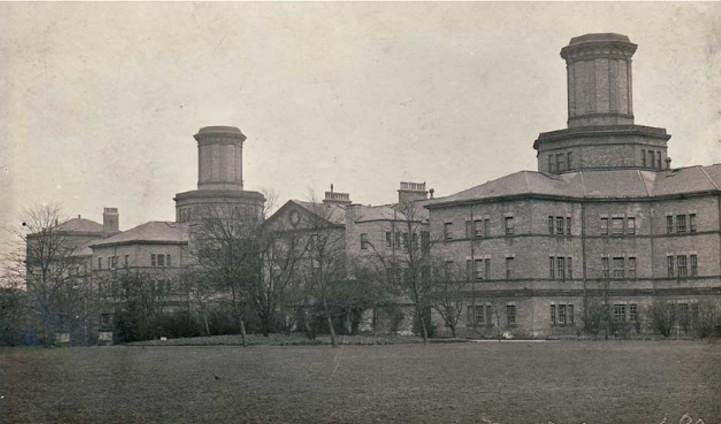
Mary remained in the West Riding Pauper Lunatic Asylum until 1873. She was then transferred to an institution in South Yorkshire. She died in 1878 and was buried in an unmarked grave.
Her story is a powerful reminder of how little freedom some women had to challenge injustice or defend their own interests. Today, her surviving embroidered samplers offer a remarkable connection to a woman whose voice might otherwise have faded into obscurity.
Mary Frances Heaton’s Wakefield Blue Plaque
Mary is Blue Plaque Number 15 in our campaign for Blue Plaque Parity.
Her plaque is on the old Clock Tower at the original hospital site, later known as Stanley Royd Hospital. Stanley Royd Hospital closed in 1994. The building, renamed Parklands Manor, now contains residential apartments. The Mental Health Museum (previously known as the Stephen Beaumont Museum of Mental Health) contains records from the history of Parklands Manor’s time as a mental health institution, and is located at Fieldhead Hospital.
We unveiled Mary’s blue plaque in September 2020 as part of the Suppressed Suffragist exhibition, supporting the Unfinished Business exhibitio nown at Wakefield Library.
Watch Mary’s Blue Plaque Unveiling
Mary Frances Heaton Broadsheets
Discover more about Mary’s life, her hardships and her quiet forms of resistance in our free downloadable broadsheets.
Creative Response: The Story of “Miss H”
Forgotten Women of Wakefield is proud to partner with Brighton-based Stitched Up Theatre, whose imaginative and moving work brings Mary Frances Heaton’s story to new audiences.

Their opera, Miss H, explores Mary’s experiences and the injustice of her confinement through music and performance. Watch the trailer by clicking on the logo.
You can also listen to The Unravelling Fantasia of Miss H, an audio play inspired by Mary’s story.
[CLICK HERE TO HEAR STITCHED UP THEATRE AUDIO PLAY]
Creative Workshops and Community Events
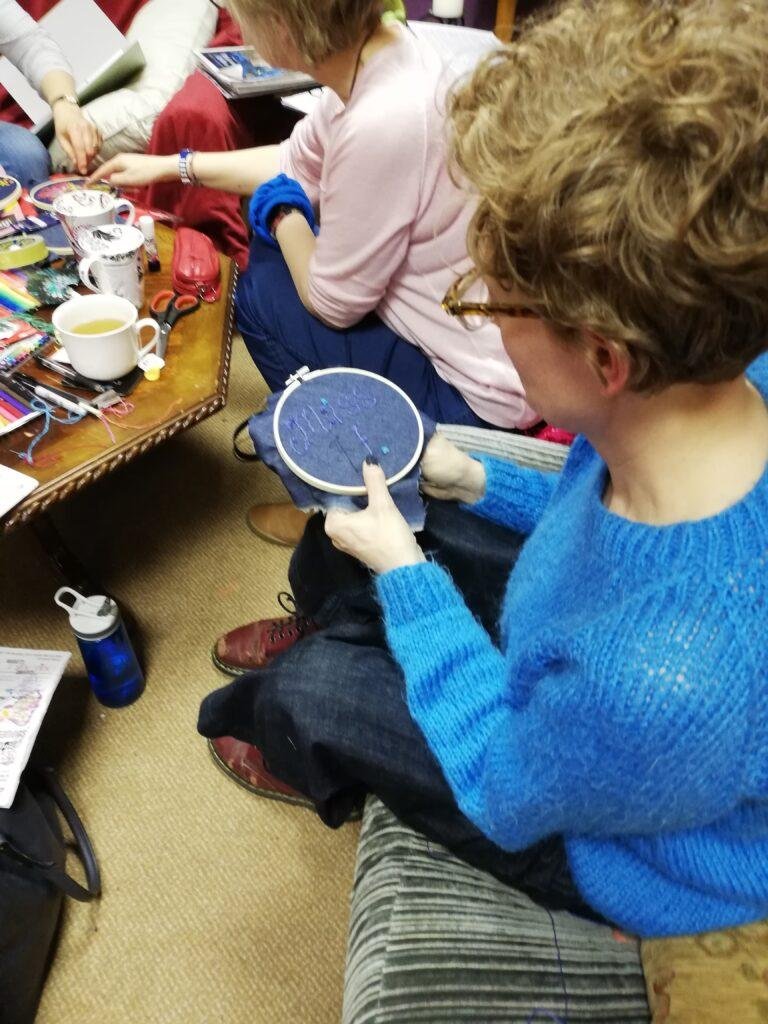
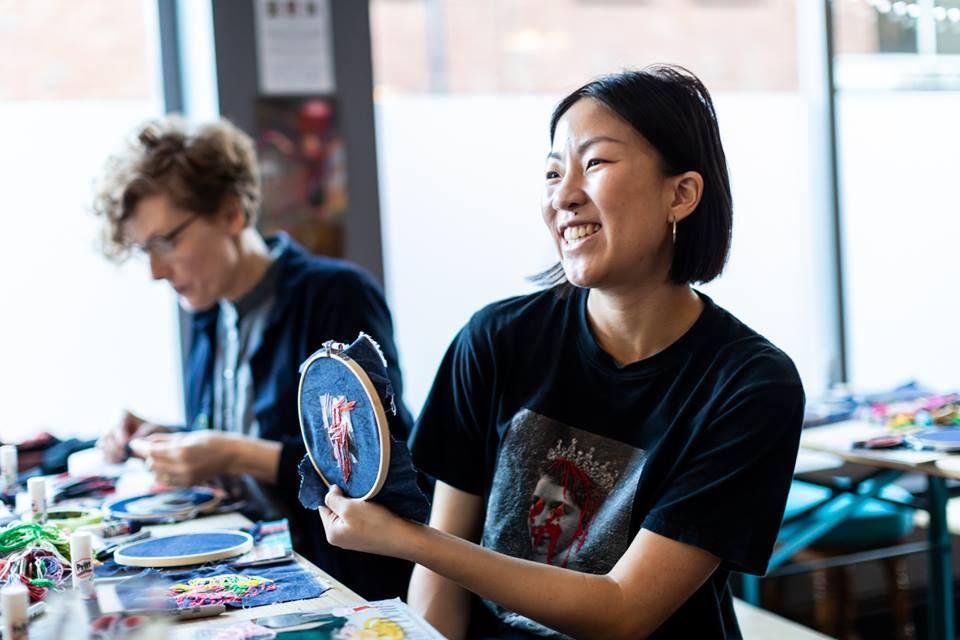
Creative workshops inspired by Mary’s story have also formed part of the project’s activities, including events associated with Wakefield Artwalk and The Hepworth Wakefield‘s wellbeing programme.
Press and Further Information
The Guardian: Blue plaque to honour Yorkshirewoman locked in asylum for calling vicar a liar
Yorkshire Post: 19th century Yorkshire woman was deemed ‘insane’ and sent to West Riding Pauper Lunatic Asylum in Wakefield after requesting to be paid
Wikipedia: Mary Frances Heaton
The Arts Cafe, Wakefield: Mary Frances Heaton
Humanities Chat Blog: Mary Frances Heaton: Embroidery and the Insane
Disability Arts Online: Connected By Threads: How generations of disabled women artists have found a voice through textiles