In 1912 Wakefield made Ophthalmic neonatorum, which is an infection of the newborn eye that leads to blindness, a notifiable disease. This was three years after the Potteries did so and three years before the government decided to follow suit. The people behind this countrywide monumental change? Women from Wakefield.

Wakefield Women Leading the Way in Medical Reform
Women from Wakefield have been at the vanguard of national campaigns to prevent blindness from birth, provide home based programmes of care, create benevolence funds, train blind and partially sighted people from across the nation in bespoke cane working skills, provide education, libraries, concerts and holidays to people otherwise unable to access such experiences and have been at the forefront of medical, political and social change to benefit the blind for nearly one hundred and sixty years.
‘Help them to help themselves, teach them to read’
In the early spring of 1869 two young women, 21-year-old Emily Esther Fennell (1848-1935) and 13-year-old Edith Wright (1856 -1935) attended the inaugural meeting of the ‘newly instituted Wakefield Blind Society’ which took place in the Barrister’s room in Wakefield’s Courthouse. (1)
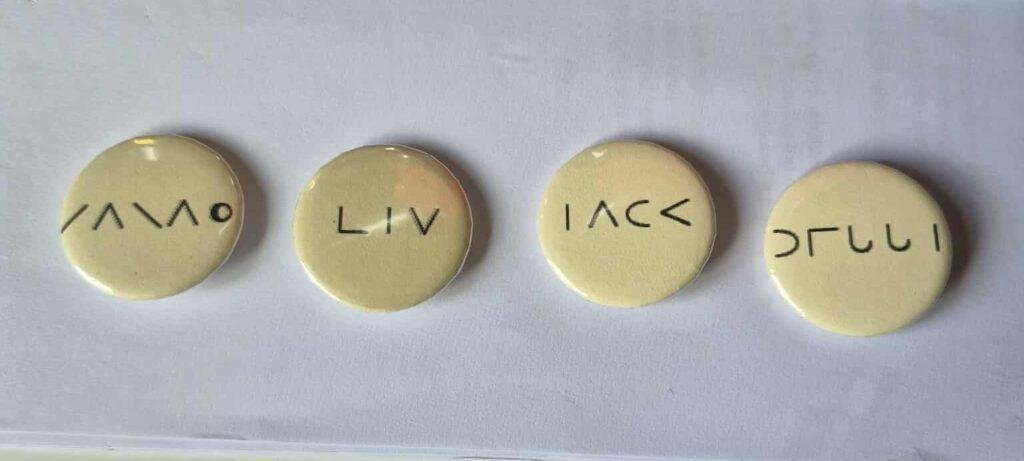
There they met and heard Mr William Moon speak. Mr Moon had developed a system to enable the blind to read, and as he spoke passionately about his printed books ‘which consisted of nine different characters only, formed of straight lines, curves, angles and loops and which had been successfully introduced into 38 different languages.’ (2) his inspirational work, and words moved both young women deeply.
At that meeting an impressive pledge was made by Sir Charles Hugh Lowther, 3rd Baronet of Swillington (1803-1894) who, having lost his sight during infancy after an attack of scarlet fever and having been a pupil of Mr Moon, pledged to donate 200 volumes of ‘Moon type’ books to the newly formed society as long as they pledged, in turn, to continue transcribing and printing books for the blind. As a childhood friend of Edith’s father Thomas Giordani Wright M.D, Sir Charles had been working with Dr Wright and now set out his vision for Wakefield urging the town to follow the footsteps of the York Wilberforce School for the Blind. (3) Sir Charles was influential nationally and worked with Maria Louisa Richardson-Gardner whose family had been instrumental in establishing, through regular funding, blind institutions across the land. He remained a friend to both Emily Fennell and later Edith Wright throughout. After he helped establish The Gardner’s Trust in 1882 following a series of legal challenges to the trustees of the Gardener family, Wakefield benefited from that friendship. The legacy of the Gardner’s Trust continues to support the blind throughout the UK to this day.
‘Sir Charles desired that the Bible, or some portion of it, should be placed in the hands of every blind person in Yorkshire… He made an offer to the meeting that they might have as many books as would form a library, but he did not promise a teacher or any other support.’ (4)
One might think that the journalist, reporting the patronage of Sir Charles’s generous offer was a woman. One can almost read the subtext of the report, the tone of which was clear. ‘Well, that’s all very well,’ the writer is thinking, ‘But where are we going to house these books and how are they going to be made accessible? What do you mean you want a printing press? Where is that going to go and who is going to teach the blind if we have no one who knows your system and who, Sir, is going to pay for all of this?
As research on other women who have found their place in Dream Time Creative’s Forgotten Women of Wakefield’s #blueplaqueparity campaign demonstrates time and time again, women answered the call, came up with the answers, provided the means, networks and dedication to bring to fruition all sorts of philanthropic ideas.
Press Links
Community Research Grants | National Blue Plaque Scheme | Historic England
Wakefield District Sight Aid | News
Wakefield women: pioneering advocates for the blind
An Incredible Project Cementing an Overlooked Legacy
And that’s a wrap on our Historic England Beyond Braille project!
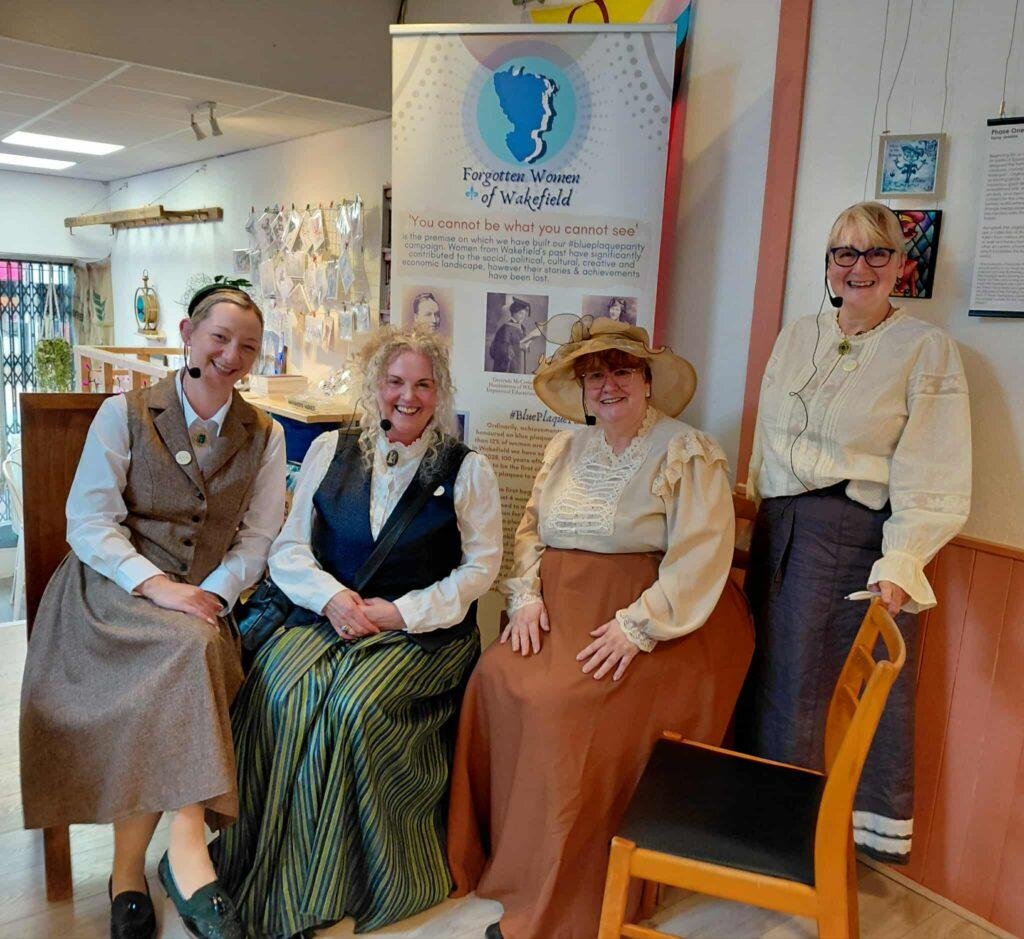
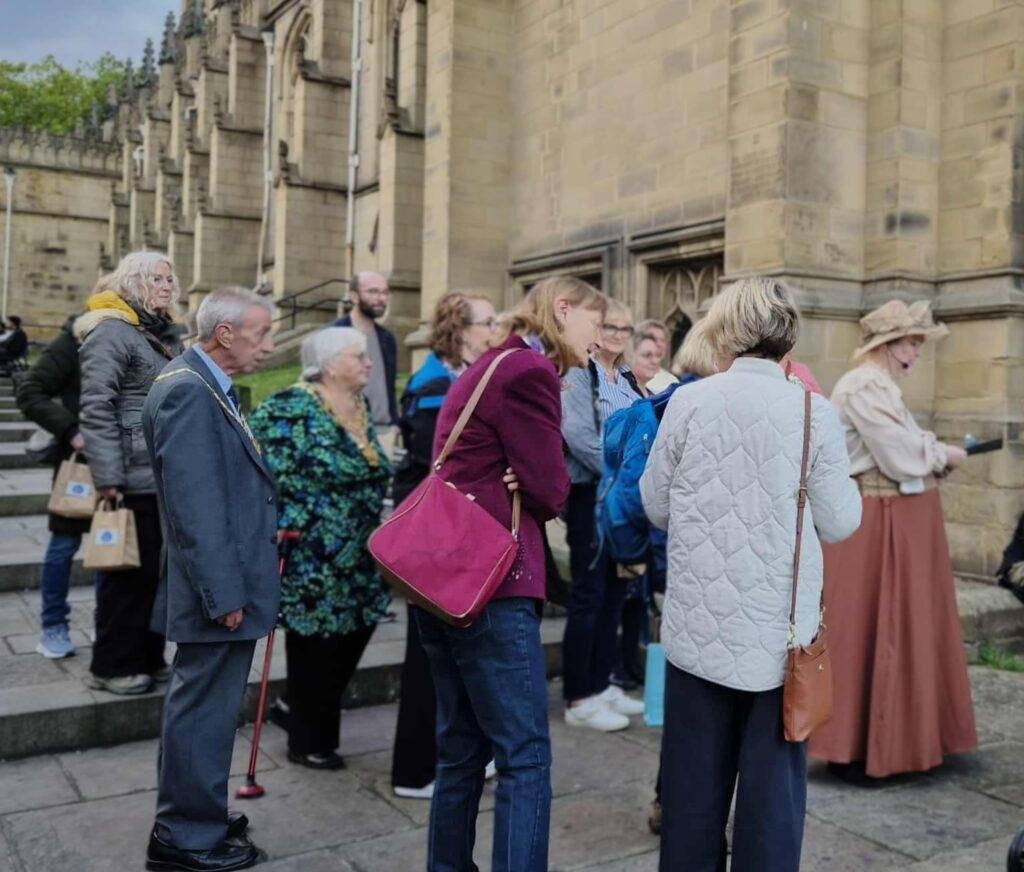
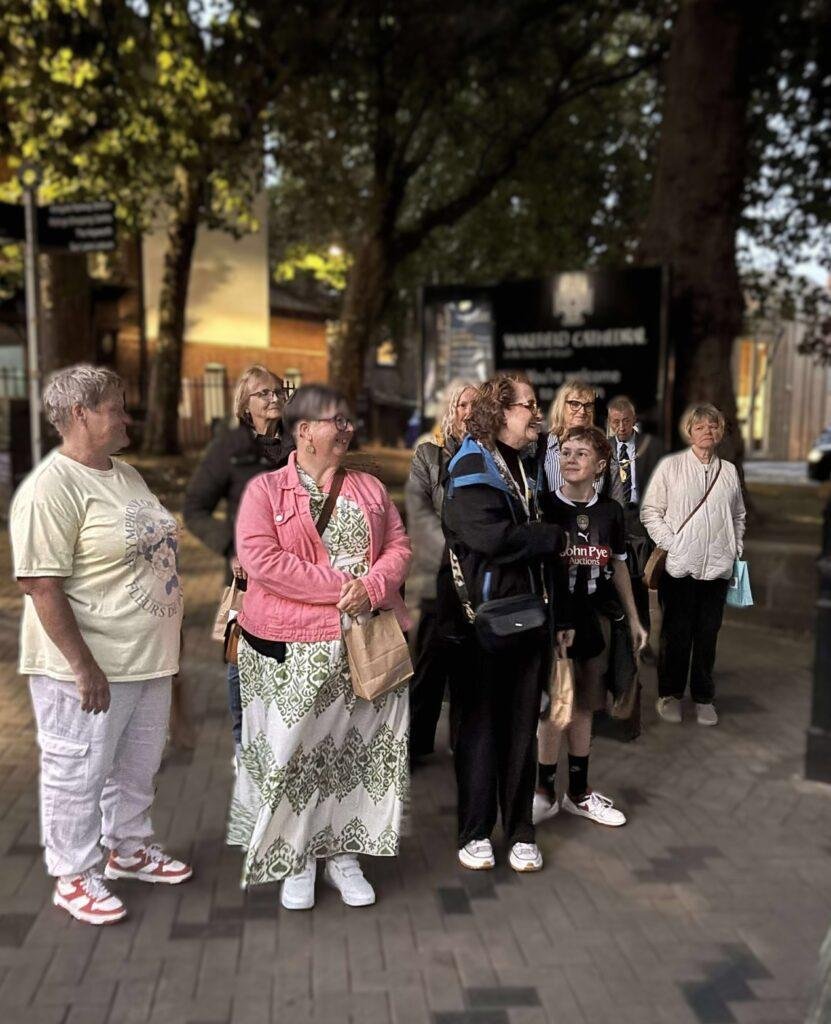
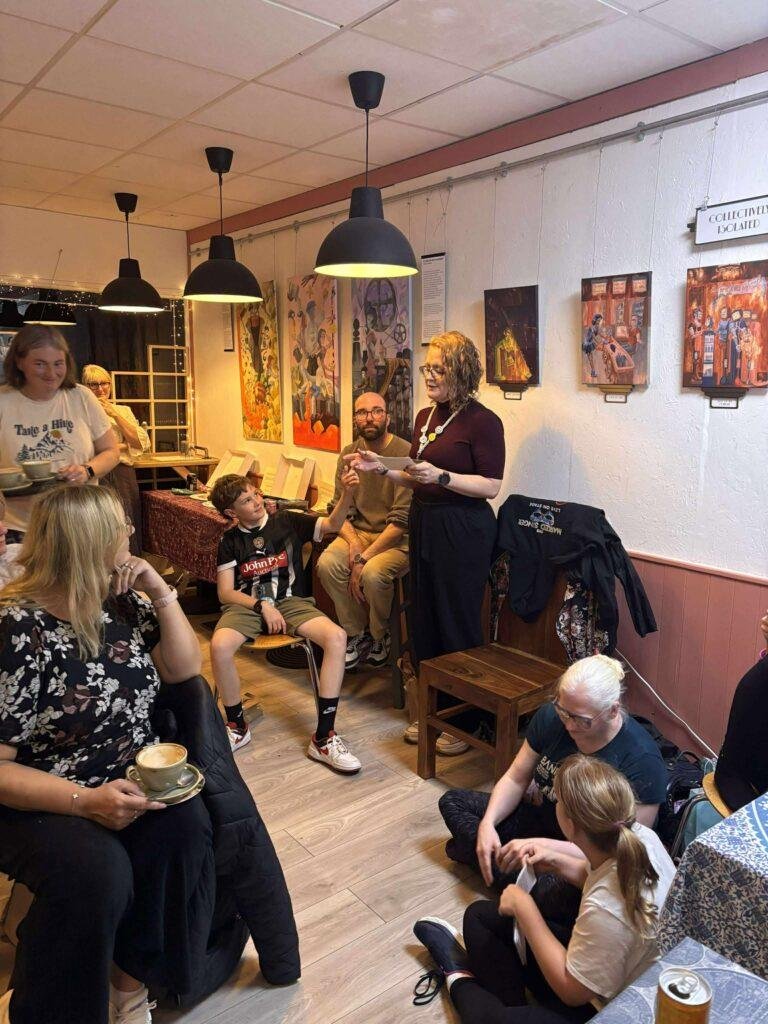
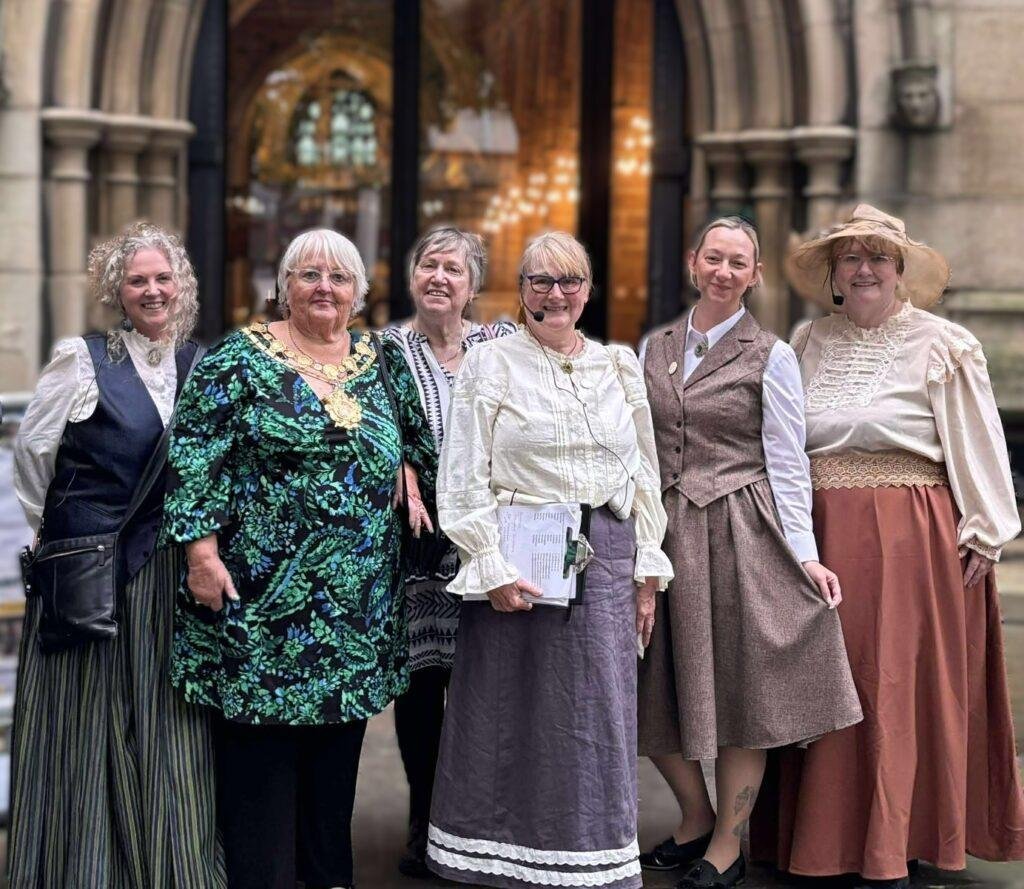
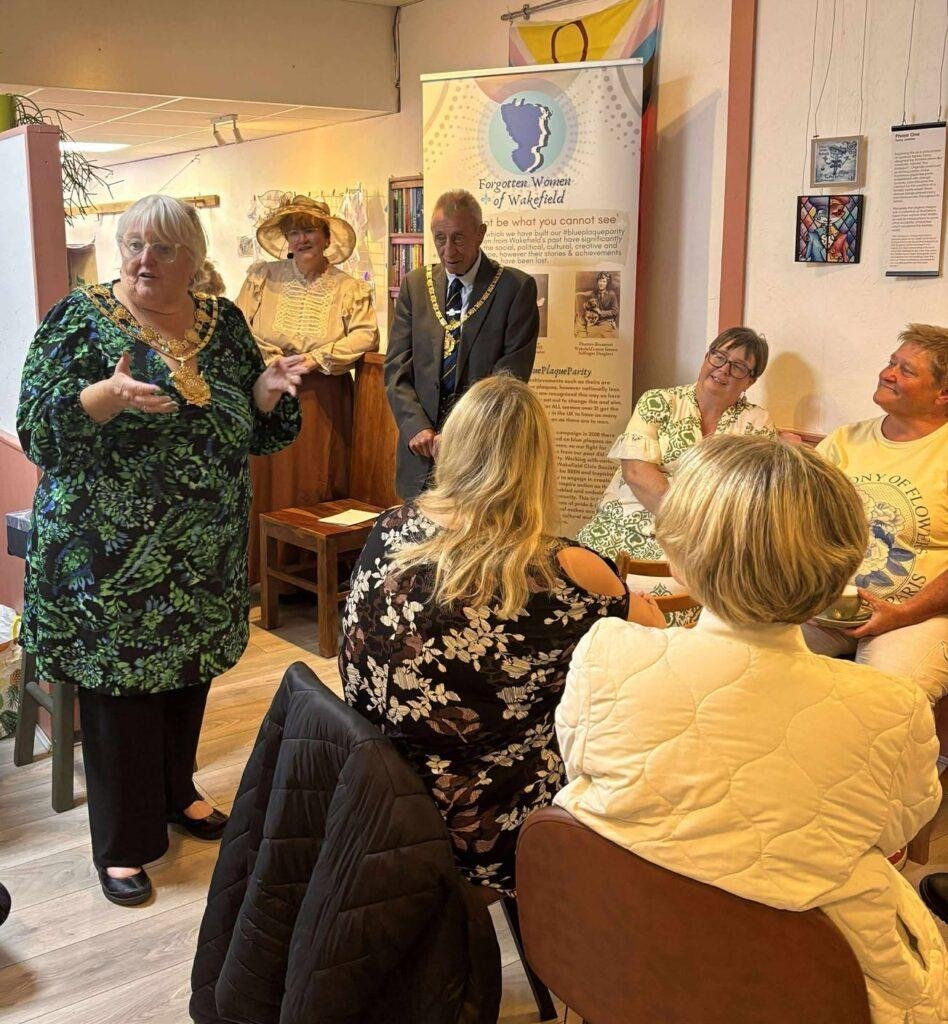
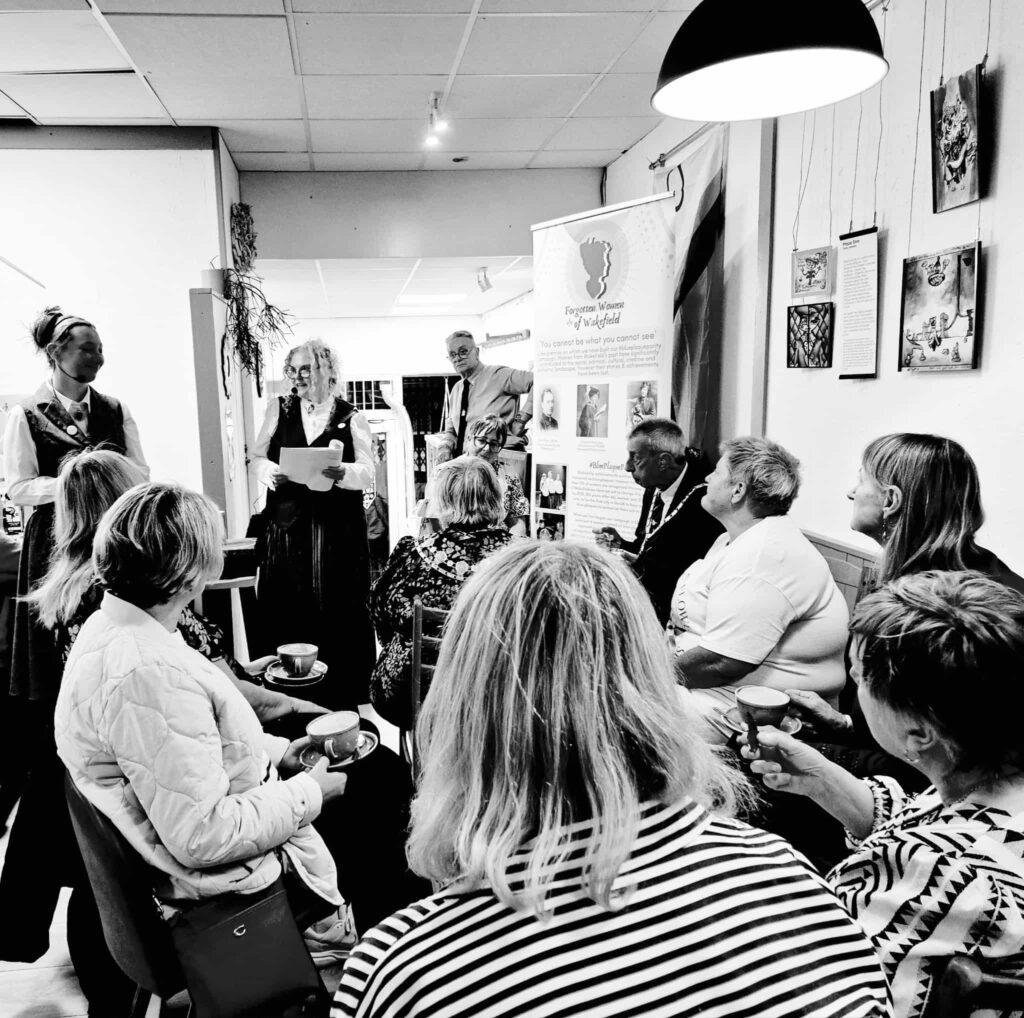
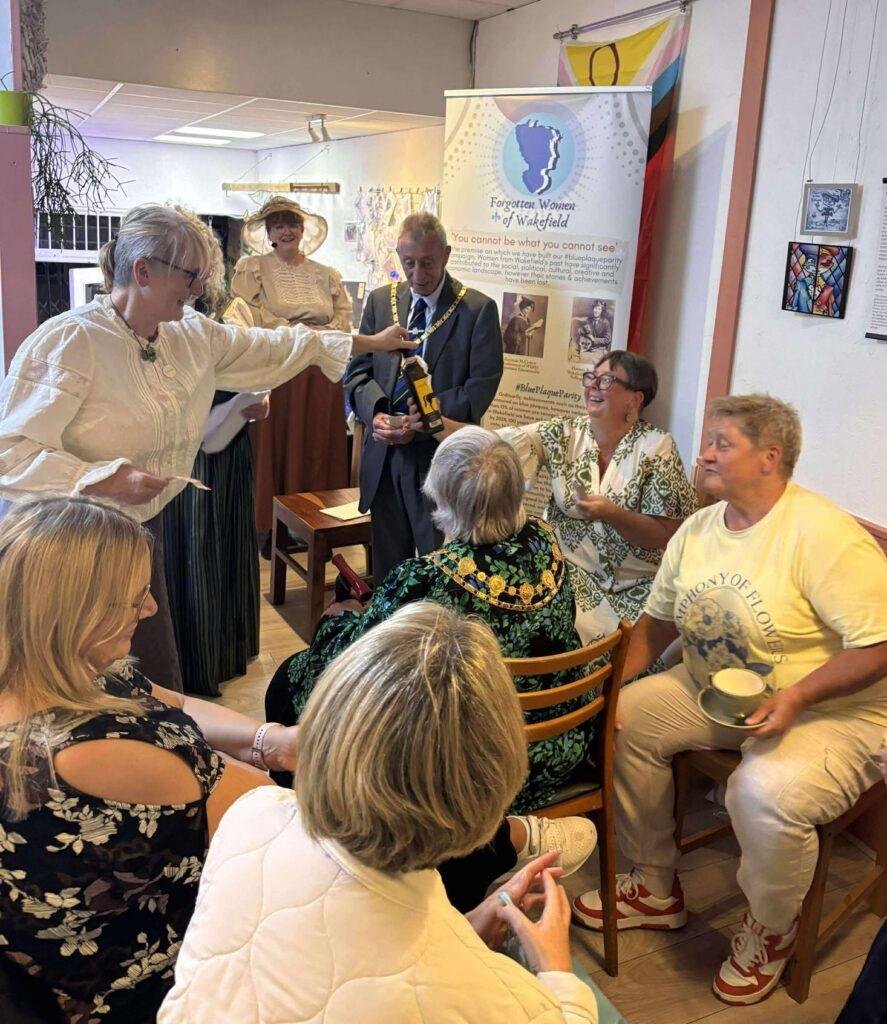
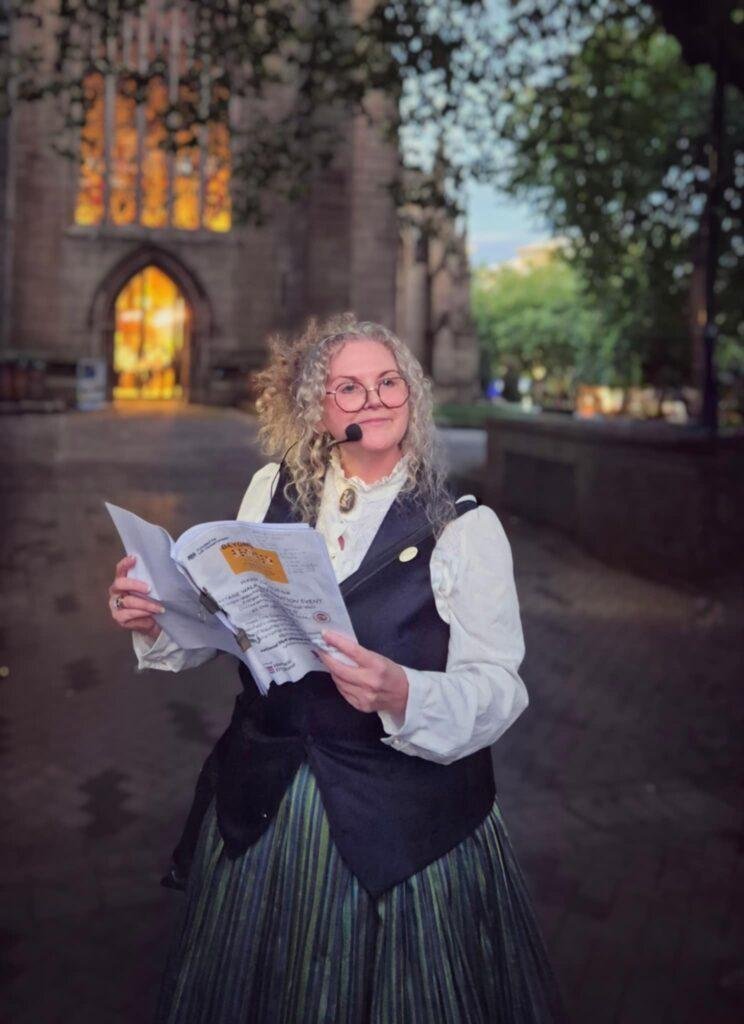
And what a way to finish! An entertaining and informative Round Our Way Heritage Walks attended by our wonderful Mayor Coucillor Maureen Tennant King and consort, the inspiring Hayley Grocock the CEO of Wakefield District Sight Aid and her wonderful dedicated team, dear friends and followers of our walks and talks, new friends and old.
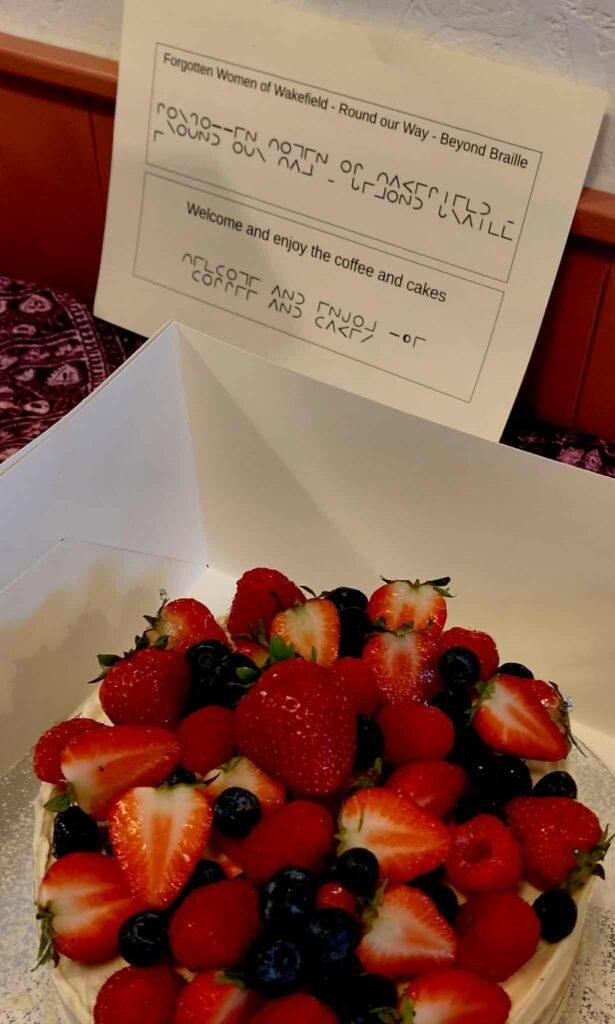
Huge thanks must go to Rich and Fancy cupcakes and coffee shop for the amazing cakes! CoffeeWrite Wakefield for hosting us and the Round Our Way Heritage Walks team who have worked tirelessly from the very beginning with research by them, and other notable DTC volunteers all guided by the indomitable Helga Fox, without whom the scaffolding of research would not have existed.
We are so very proud of this project and of Emily Fennell and Edith Wright, Forgotten Women, whose story has now taken its rightful place in #wakefieldculture#wakefield#HerStoryContinues
We have applied for an Historic England blue plaque and will find out in January 2026 if we have been successful, it’s a long process but will keep everyone up to date with that.
You cannot be what you cannot see!